Gallbladder Surgery
Laparoscopic Cholecystectomy: Expert Gallbladder Care in Sydney
A laparoscopic cholecystectomy is the modern gold standard for treating gallstones and gallbladder dysfunction. This minimally invasive approach focuses on precision, reduced recovery time, and patient safety.
Understanding the Gallbladder
The gallbladder is a small, pear-shaped organ located beneath the liver. It stores and concentrates bile—a fluid that helps your body digest fats and waste products.
When is Surgery Necessary?
Surgery is often recommended when gallstones (bile salt crystals) cause blockages or inflammation. Common symptoms of a "gallbladder attack" or biliary colic include:
- Severe upper abdominal pain or pain near the shoulder blades.
- Nausea and vomiting.
- Bloating, belching, and indigestion.
The Surgical Procedure
Dr. Robert Gandy specializes in laparoscopic (keyhole) surgery, which offers significant advantages over traditional "open" surgery, including smaller incisions and faster healing.
Key Features of the Operation
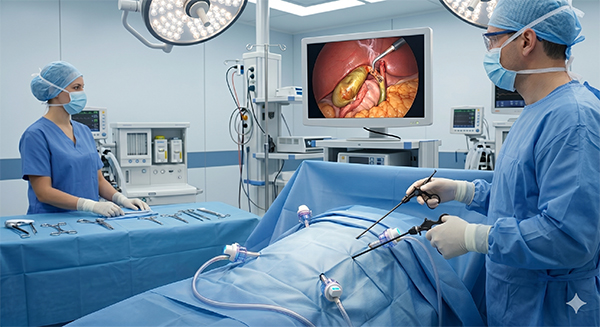
- Precision Imaging:The procedure uses a thin video camera attached to a Ultra High Definition (UHD) monitor to visualize the abdomen with extreme clarity.
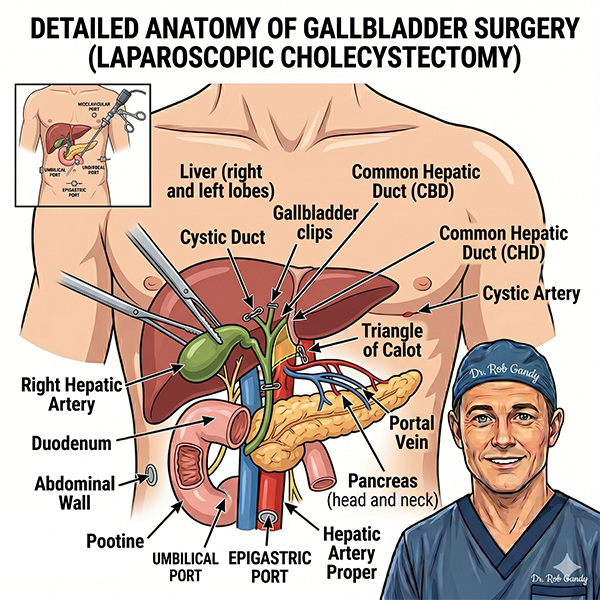
- Minimally Invasive:Only 3–4 tiny incisions (ranging from 5mm to 12mm) are required.
- Advanced Safety: Gandy routinely performs a cholangiogram(intra-operative X-ray) to identify hidden gallstones or abnormal anatomy, ensuring the highest level of surgical safety.
- Seamless Closure:The gallbladder is removed in a sterile bag, and incisions are closed with dissolving sutures placed under the skin, covered by waterproof dressings.
Why Choose Dr. Robert Gandy?
Selecting a surgeon with deep expertise is vital for a successful outcome.
- Extensive Experience: Gandy is a specialist surgeon in Sydney with over 20 years of surgical experienceand a decade in his current practice.
- Specialist Focus:His practice is dedicated to complex Upper GI and hepatobiliary work, ensuring specialized care for gallbladder conditions.
- Commitment to Transparency: Gandy prioritizes professional transparency regarding surgical fees, providing clear communication on costs and aligning with the Medical Cost Finder legislation.
Why Choose Dr Robert Gandy?
Selecting the right surgeon is a critical decision. Dr Robert Gandy is a highly experienced specialist surgeon in Sydney with over 20 years of clinical and surgical expertise.
- Minimally Invasive Specialist:Dr Gandy utilizes micro-invasive laparoscopic techniques and Ultra High Definition (UHD) imaging to ensure precision, smaller scars, and faster recovery times.
- Advanced Safety Protocols:During surgery, Dr Gandy routinely performs cholangiograms (intra-operative X-rays) to map your unique anatomy and check for hidden stones in the bile ducts, significantly reducing the risk of complications.
- Patient-Centered Care:From your first consultation through to post-operative recovery, the focus is on clear communication, transparency, and a tailored approach to your specific health needs.
- Proven Outcomes:With a decade of specialist practice in Sydney, Dr Gandy has a track record of excellence in Upper GI and hepatobiliary surgery.
The Procedure: Laparoscopic Cholecystectomy
Most patients are candidates for "keyhole" surgery, which is far less invasive than traditional open surgery.
- Anaesthesia:The procedure is performed under general anaesthesia.
- Keyhole Entry:A small 12mm incision is made at the belly button for a specialized camera. Two to three tiny (3-5mm) incisions are made for micro-instruments.
- Anatomical Precision:Dr Gandy identifies the "critical view of safety," ensuring the bile ducts and vessels are safely isolated before the gallbladder is removed.
- Recovery:The gallbladder is removed in a protective bag through the umbilical incision. Dissolving sutures and waterproof dressings are used so you can shower immediately.
Recovery and Aftercare
- Hospital Stay:Many patients go home the same day (for morning cases) or after a single overnight stay.
- Activity:You can return to light activities within 24 hours. Most patients resume driving and office work within one week.
- Diet:You can eat normally immediately, though avoiding very fatty meals for the first two weeks is recommended while your system adjusts.
Surgical Costs and Transparency
Dr Robert Gandy is committed to professional transparency regarding surgical fees. We understand that navigating medical costs can be stressful, and we aim to provide clarity upfront.
- Informed Financial Consent:Prior to any procedure, you will receive a detailed written estimate of costs.
- Medical Cost Finder:Our practice aligns with Australian legislative standards to ensure patients understand the value of their care and any potential out-of-pocket expenses ("the gap").
- Health Funds:We work with all major private health insurers. The total cost will depend on your level of cover and the complexity of the case.
Risks to Consider
While gallbladder removal is one of the most common and safest operations performed today, all surgery carries some risk. These include:
- Infection or bleeding (rare).
- Bile Leak:Occurs in a very small percentage of cases.
- Post-Cholecystectomy Syndrome:Up to 15% of patients may experience temporary bloating or reflux as the body adapts to the direct flow of bile.
- Bile Duct Injury:An extremely rare but serious complication that Dr Gandy’s meticulous technique and use of UHD imaging aim to prevent.
Schedule a Consultation
If you are suffering from gallbladder pain, don't wait for a "gallbladder attack" to become an emergency. Contact Dr Robert Gandy’s Sydney rooms today to discuss your surgical options and path to recovery.
Life After Gallbladder Surgery
Most patients lead a perfectly normal, healthy life after their gallbladder is removed. Because the gallbladder's primary role was to store and concentrate bile, its removal means that bile now flows directly from your liver into your small intestine.
While your liver continues to produce enough bile to digest a standard diet, your body may need a few weeks to adapt to this constant, steady flow rather than the "bursts" of bile previously released during meals.
The First 48 Hours to One Week
- Immediate Recovery:You can typically resume light activities within 24 hours.
- Driving and Work:Most patients are ready to drive and return to office-based work within one week.
- Physical Activity:Avoid strenuous exercise or heavy lifting for several weeks to allow internal incisions to heal fully.
Short-Term Dietary Restrictions: Reducing Fat
While you can eat immediately after surgery, it is highly recommended to avoid high-fat or greasy foods for the first two weeks.
Why Reduce Fat?
Bile acts as a biological detergent to emulsify and digest fats. Immediately following surgery, your digestive tract may find it difficult to process a large amount of fat all at once. Consuming high-fat meals too soon can lead to:
- Bloating and Gas:Discomfort as the intestines struggle with undigested fats.
- Loose Stools:Excess bile or undigested fat can have a mild laxative effect.
- Post-Cholecystectomy Syndrome:Up to 15% of patients experience a temporary "constellation" of symptoms, including reflux or phantom pain, which a low-fat diet helps minimize.
Practical Tips for the First Two Weeks
- Small, Frequent Meals:Instead of three large meals, try five smaller portions to avoid overwhelming your digestive system.
- Lean Proteins:Focus on grilled chicken, fish, tofu, or beans rather than fried meats or heavy sauces.
- Gradual Reintroduction:Slowly reintroduce healthy fats (like avocado or olive oil) after the initial two-week period to see how your body responds.
Long-Term Outlook
The vast majority of patients return to their regular diet without any lasting restrictions. Your body is highly adaptable, and within a few weeks, the bile ducts often slightly dilate to accommodate the change in flow, effectively taking over the storage role the gallbladder once held.
If you experience persistent digestive issues or severe abdominal pain after the initial recovery period, please contact Dr. Robert Gandy’s rooms on 02-8599-4360 for a follow-up consultation.