
Colonoscopy Procedures in Sydney
What is a Colonoscopy?
A colonoscopy is a safe, routine, and highly effective procedure used to examine the entire inside lining of your large intestine (the colon and rectum).
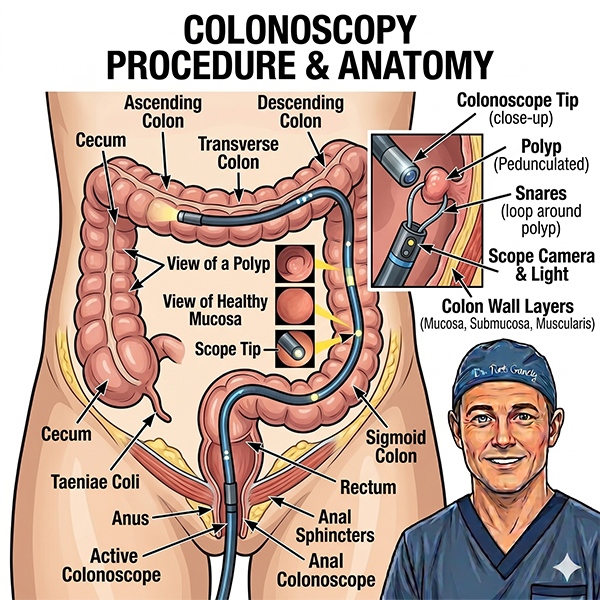
The procedure is performed using a colonoscope: a long, thin, flexible tube equipped with a high-definition video camera and an advanced light source at its tip. This technology sends real-time, magnified images of the intestinal wall to a digital monitor, allowing for the precise detection of even very small tissue changes.
Why Do You Need a Colonoscopy?
Dr Robert Gandy performs colonoscopies for a wide range of diagnostic and preventative (therapeutic) reasons. It is considered the gold standard for identifying bowel diseases and preventing colorectal cancer.
Diagnostic Uses
If you are presenting with specific gastrointestinal concerns, a colonoscopy helps identify the cause of symptoms such as:
- Unexplained changes in bowel habits (persistent diarrhoea or constipation)
- Rectal bleeding or blood in your stool
- Unexplained weight loss or persistent abdominal pain
- Investigating signs of chronic conditions like Inflammatory Bowel Disease (IBD), including Crohn's disease and Ulcerative Colitis
- Taking tissue samples (biopsies) to safely evaluate the cells under a microscope
Preventative Care & Therapeutic Surgery
Importantly, a colonoscopy is a preventative tool. During the examination, specialized surgical instruments can be passed through a narrow channel inside the scope to perform immediate interventions:
- Polypectomy: Finding and removing polyps (small growths on the bowel lining) before they have the chance to develop into bowel cancer.
- Bleeding Control: Sealing or treating bleeding vessels within the bowel.
- Stricture Dilatation: Gently opening up narrow areas of the large intestine.
What to Expect During the Procedure
A colonoscopy is performed as a day-patient (outpatient) procedure in a specialized endoscopy suite, meaning your hospital stay is brief and you will return home the same day.
1.Sedation and Preparation:Pre-procedure comfort.
Before the procedure begins, you will be given an intravenous sedative to help you relax and sleep through the assessment. To ensure your safety and a clear view, you will need to follow a specialized bowel preparation kit (liquid diet and laxatives) the day before to completely empty the colon.
2.Inserting the Colonoscope:Duration: 20-30 minutes.
While you are resting comfortably on your side, the colonoscope is gently introduced through the rectum and slowly advanced through the length of the colon.
3.Lining Assessment and Air Inflation:Thorough examination.
As the scope moves forward, a small amount of air or carbon dioxide is used to inflate the bowel slightly, opening up the folds so Dr Gandy has an unobstructed view. The lining is carefully evaluated, particularly as the scope is slowly withdrawn.
4.Polyp Removal or Biopsy:Simultaneous care.
If any polyps are discovered or tissue samples are required, they are painlessly removed or sampled through the channel of the scope during the procedure without adding any significant time to your stay.
Understanding the Risks and Safety
While a colonoscopy is a highly safe, standard medical procedure, it does carry a few rare risks that patients should understand:
- Bloating and Gas: It is common to feel a bit of mild gas or bloating for a few hours after the procedure as the air clears from your bowel.
- Sedation Side Effects: You may feel slightly drowsy or groggy as the sedative wears off. You must have a responsible adult drive you home.
- Bleeding: If a polyp was removed or a biopsy was taken, minor bleeding may occur from the site. This is typically minimal and stops on its own.
- Perforation: In exceptionally rare cases, a small tear or puncture can occur in the wall of the colon, usually during a more complex therapeutic procedure like the removal of a large, deep polyp.
Frequently Asked Questions
Is the bowel preparation necessary?
Important: Yes, strict adherence to the bowel preparation instructions is vital. If the colon is not entirely clean, small polyps or abnormalities can easily be missed behind debris, and the procedure may have to be rescheduled for safety reasons.
Will I be awake during the colonoscopy?
Because light-to-moderate sedation is standard practice, you will be in a deeply relaxed state. Most patients fall asleep entirely, feel no pain or discomfort, and have no memory of the procedure when they wake up in recovery.
How Do I Know If My Prep Worked?
By the time you finish your second dose and are ready to leave for the hospital, your bowel movements should look like clear, yellowish water or urine (free of solid particles).
If your movements are still dark or muddy, please contact our clinic rooms or the hospital day surgery unit immediately for advice.
Important Safety Reminders
- Medication Adjustments: If you take blood thinners (e.g., Warfarin, Aspirin, Clopidogrel) or diabetes medication, ensure you have discussed this with Dr Gandy’s team at least 7 days prior to your procedure.
- Arrange a Escort Home: Because you will receive a sedative, you will not be legally allowed to drive a car or travel home alone in a taxi or public transport. A responsible adult must pick you up from the hospital ward and accompany you home.
About Dr Robert Gandy
Dr Robert Gandy is an experienced Sydney-based specialist surgeon. He couples precision endoscopic techniques with high-definition digital systems to deliver thorough, safe diagnostic and preventative large bowel examinations. Dr Gandy focuses on patient comfort, accurate diagnostics, and prompt therapeutic polyp removal to ensure long-term digestive wellness.